How to Manage Stress Through Relaxation Techniques: Tips for Finding Calm!
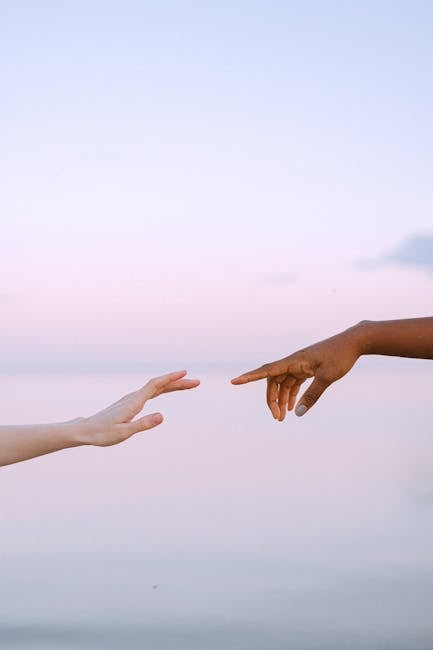
Finding Your Zen: Simple Relaxation Techniques to Crush Stress
Feeling overwhelmed, friend? Discover simple yet powerful relaxation techniques to manage stress and reclaim your calm amidst the chaos of daily life.
Step Two:
Hey there, friend! Let's talk about stress. You know, that ever-present, unwelcome guest that seems to pop up at the most inconvenient times? Maybe it's the looming deadline at work, the never-ending to-do list at home, or the sheer existential dread of realizing you haven't folded your laundry in, like, a week . Whatever the cause, stress is a universal experience. And let's be honest, it's not exactly a fun one. Think of it like this: Your brain is a computer, and stress is that annoying pop-up ad that you can't seem to close. It slows everything down, drains your battery, and generally makes you want to throw your laptop out the window. Am I right?
We live in a world that practically encourages stress. We're constantly bombarded with notifications, demands, and expectations. It's no wonder so many of us feel like we're running on fumes. And while a little bit of stress can be motivating (hello, last-minute essay writing in college!), chronic stress can wreak havoc on our physical and mental health. It can lead to everything from headaches and digestive problems to anxiety, depression, and even heart disease. Yikes!
So, what's the solution? Well, we can't eliminate stress entirely (unless you figure out how to clone yourself to handle all those responsibilities – in which case, please let me know your secret!). But we can learn to manage it. And that's where relaxation techniques come in. Think of them as your personal stress-busting toolkit. They're simple, effective ways to calm your mind, soothe your body, and regain control when you're feeling overwhelmed.
Now, I know what you might be thinking: "Relaxation techniques? Sounds boring! I don't have time for that!" But trust me, friends, these aren't your grandma's dusty meditation tapes. We're talking about practical, accessible techniques that you can incorporate into your daily life – even if you only have a few minutes to spare. And the best part? They actually work .
Consider this: when stressed, your body enters "fight or flight" mode, releasing hormones like cortisol and adrenaline. Relaxation techniques do the opposite. They activate your body's "rest and digest" response, slowing your heart rate, lowering your blood pressure, and promoting a sense of calm. It's like hitting the reset button on your nervous system. And who doesn't need a reset button now and then?
Imagine being able to navigate a stressful situation with grace and ease, feeling centered and grounded instead of frazzled and overwhelmed. Imagine sleeping soundly at night, without your mind racing through endless worries. Imagine actually enjoying your life, instead of just surviving it. That's the power of relaxation techniques.
But where do you even begin? With so many options out there – meditation, deep breathing, yoga, progressive muscle relaxation – it can feel overwhelming. Don't worry, we've got you covered. This article is your ultimate guide to finding your zen, with simple, effective relaxation techniques that you can use anytime, anywhere. We'll break down the science behind stress and relaxation, explore a variety of techniques, and provide practical tips for incorporating them into your daily routine.
So, are you ready to ditch the stress and embrace the calm? Keep reading to discover your personal path to finding your zen! What if you could turn daily chaos into an oasis of calm? Let's dive in and unlock the secrets to a more relaxed and fulfilling life!
Step Three:
Okay, friends, let's get down to the nitty-gritty and explore some amazing relaxation techniques that you can start using today to kick stress to the curb. Remember, the key is to find what works best for you , so don't be afraid to experiment and tailor these techniques to your own preferences and needs.
Deep Breathing: Your Instant Calm Button What it is: Deep breathing exercises involve consciously slowing down your breath and taking fuller, deeper breaths. Why it works: When you're stressed, your breathing becomes shallow and rapid, which can actually increase feelings of anxiety. Deep breathing helps to activate your parasympathetic nervous system (the "rest and digest" system), slowing your heart rate, lowering your blood pressure, and promoting a sense of calm. How to do it: Find a comfortable place to sit or lie down.
Close your eyes if you like.
Place one hand on your chest and the other on your stomach.
Inhale slowly and deeply through your nose, allowing your stomach to rise more than your chest.
Exhale slowly through your mouth, feeling your stomach fall.
Repeat for 5-10 minutes. Pro tip: Try the 4-7-8 technique. Inhale for 4 seconds, hold your breath for 7 seconds, and exhale for 8 seconds. This is super effective for calming your nervous system. Real-life example: Feeling anxious before a presentation? Excuse yourself to the restroom and practice a few rounds of deep breathing. You'll be surprised at how much calmer you feel!
Progressive Muscle Relaxation (PMR): Tense and Release What it is: PMR involves systematically tensing and relaxing different muscle groups in your body. Why it works: This technique helps you become more aware of the tension in your body and teaches you how to release it. It's fantastic for relieving physical tension and promoting overall relaxation. How to do it: Find a quiet place to lie down.
Start with your toes. Tense them as tightly as you can for 5 seconds.
Release the tension and notice the feeling of relaxation.
Repeat with each muscle group, working your way up your body (calves, thighs, buttocks, abdomen, chest, arms, hands, neck, face). Pro tip: Focus on the contrast between the tension and the relaxation. This will help you become more aware of your body's sensations. Real-life example: Feeling stressed after a long day at work? Try PMR before bed. It can help you fall asleep faster and sleep more soundly.
Mindfulness Meditation: Being Present in the Moment What it is: Mindfulness meditation involves focusing your attention on the present moment, without judgment. Why it works: By paying attention to your thoughts, feelings, and sensations without getting carried away by them, you can reduce stress and increase your overall sense of well-being. It helps you to observe your stress rather than be consumed by it. How to do it: Find a comfortable place to sit or lie down.
Close your eyes if you like.
Focus your attention on your breath. Notice the sensation of the air entering and leaving your body.
When your mind wanders (and it will !), gently redirect your attention back to your breath.
Start with just a few minutes a day and gradually increase the duration as you become more comfortable. Pro tip: There are tons of guided meditation apps available that can help you get started. Headspace and Calm are two popular options. Real-life example: Feeling overwhelmed by a chaotic morning? Take 5 minutes to practice mindfulness meditation before you start your day. It can help you set a more calm and focused tone.
Visualization: Your Mental Escape What it is: Visualization involves using your imagination to create a relaxing and peaceful mental image. Why it works: Your mind doesn't always know the difference between what's real and what's imagined. By visualizing a calming scene, you can trigger the same relaxation response as if you were actually there. How to do it: Find a comfortable place to sit or lie down.
Close your eyes.
Imagine a peaceful scene, such as a beach, a forest, or a mountaintop.
Engage all of your senses. What do you see? What do you hear? What do you smell? What do you feel?
Spend a few minutes exploring your mental image and enjoying the sense of calm and relaxation. Pro tip: Choose a scene that is particularly meaningful and enjoyable to you. The more vivid and detailed your visualization, the more effective it will be. Real-life example: Stuck in a traffic jam? Close your eyes (when safe to do so!) and visualize yourself relaxing on a tropical beach. It's a much better alternative to road rage.
Yoga and Tai Chi: Movement and Mindfulness What they are: Yoga and Tai Chi are ancient practices that combine physical postures, breathing techniques, and meditation. Why they work: These practices can help to reduce stress by promoting relaxation, improving flexibility, and increasing body awareness. They also encourage mindful movement, which can help you to stay present in the moment. How to do them: Find a local yoga studio or Tai Chi class.
There are also tons of online resources available, including videos and tutorials.
Start with beginner-level classes or videos and gradually increase the intensity as you become more comfortable. Pro tip: Don't worry about being perfect. The goal is to move your body and connect with your breath, not to achieve some impossible standard of physical perfection. Real-life example: Feeling stiff and stressed after sitting at a desk all day? Try a gentle yoga flow to release tension and improve your energy levels.
Listen to Calming Music: Soothe Your Soul What it is: Listening to music that you find relaxing. Why it works: Music has a powerful effect on the brain. Calming music can slow your heart rate, lower your blood pressure, and reduce feelings of anxiety. How to do it: Create a playlist of your favorite calming songs.
Listen to your playlist when you're feeling stressed, or before bed to help you relax. Pro tip: Experiment with different genres of music to find what works best for you. Some people find classical music relaxing, while others prefer nature sounds or ambient music. Real-life example: Feeling stressed while working? Put on some calming music in the background. It can help you to focus and reduce distractions.
Spend Time in Nature: Reconnect with the Earth What it is: Spending time outdoors in natural settings. Why it works: Studies have shown that spending time in nature can reduce stress, lower blood pressure, and improve mood. It's a fantastic way to disconnect from technology and reconnect with yourself. How to do it: Go for a walk in the park.
Hike in the woods.
Sit by a lake or ocean.
Simply spend time in your backyard or garden. Pro tip: Leave your phone at home (or at least turn it off!) and focus on your surroundings. Notice the sights, sounds, and smells of nature. Real-life example: Feeling overwhelmed by city life? Escape to a nearby park or forest for a few hours. It can do wonders for your mental and emotional well-being.
Practice Gratitude: Focus on the Good What it is: Taking time to appreciate the good things in your life. Why it works: When you focus on what you're grateful for, you shift your attention away from your worries and anxieties. This can help to improve your mood and reduce stress. How to do it: Keep a gratitude journal and write down a few things you're grateful for each day.
Take a few minutes each day to think about the things you appreciate in your life.
Tell someone you're grateful for them. Pro tip: Don't just focus on the big things. Appreciate the small things, too, like a warm cup of coffee or a beautiful sunset. Real-life example: Feeling down in the dumps? Take a few minutes to list all the things you're grateful for. You might be surprised at how much you have to be thankful for.
Remember, friend, finding the right relaxation techniques for you might take some time and experimentation. Don't get discouraged if one technique doesn't work right away. Keep trying different things until you find what helps you feel calm and relaxed. And most importantly, be patient with yourself! It's a journey, not a destination.
Step Four:
Alright, friends, we've reached the end of our journey into the world of relaxation techniques! We've explored a variety of simple yet powerful tools that you can use to manage stress and reclaim your calm amidst the chaos of daily life. From deep breathing and progressive muscle relaxation to mindfulness meditation and spending time in nature, we've covered a wide range of options to help you find your zen.
The key takeaway? Stress is a part of life, but it doesn't have to control you. By incorporating relaxation techniques into your daily routine, you can activate your body's natural relaxation response, reduce feelings of anxiety, and improve your overall well-being. These techniques are not a luxury; they are a necessity for maintaining your mental and physical health in today's fast-paced world.
So, what's the next step? Take action! Choose one or two relaxation techniques from this article that resonate with you and commit to practicing them for just a few minutes each day. Start small, be patient with yourself, and don't be afraid to experiment until you find what works best for you. Whether it's a quick deep breathing exercise before a meeting or a longer meditation session before bed, find ways to weave these practices into your life. Remember, even a few minutes of relaxation can make a huge difference.
And don't forget to share these tips with your friends and family! We all need a little help managing stress from time to time, and by sharing what you've learned, you can help others find their own paths to calm.
Now, go forth and conquer your stress! Remember, you have the power to create a more peaceful and fulfilling life. Believe in yourself, trust the process, and embrace the calm. You've got this!
What small step towards relaxation will you take today?

Post a Comment for "How to Manage Stress Through Relaxation Techniques: Tips for Finding Calm!"
Post a Comment